- Home
- Center G Games
- TRAFFIC CONTROL















Center G · ClassroomCenterG.comThe place to play free games!
How was it?
About TRAFFIC CONTROL
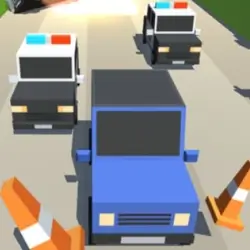
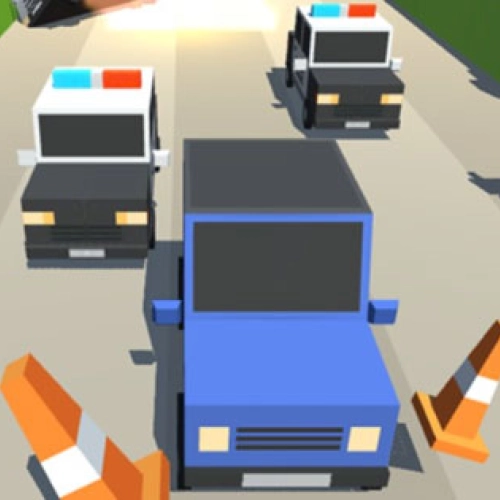
Traffic Control turns you into the boss of a busy city intersection, and the city is… not patient. Cars, buses, and trucks fly in from every direction, and your whole job is to tap to stop, release to go, and keep metal from meeting metal. Sounds easy until the speed picks up and two lanes start eyeballing the same gap like it’s the last slice of pizza.
Why it’s addictive
Early rounds are chill so you can learn the beat, then the game starts layering problems: slow semis mixed with darting hatchbacks, staggered arrivals that hide fast movers behind long queues, and intersections where opening the wrong lane first causes a beautiful, terrible domino crash. Every new layout changes the “safe release order,” so you’re never just button-mashing—you’re reading rhythm and predicting collisions.
How to actually win
Think like a dispatcher, not a hero. Build queues where you can control them, then clear one lane at a time. Prioritize speed over volume: let the quick cars slip through first so they don’t clip cross traffic, then feed the heavies when the middle is empty. If two lines meet nose-to-nose, alternate short bursts instead of a long green—micro-cycles keep the box clear. And don’t stare at the front bumper; keep your eyes three seconds up-road so a hidden sprint car doesn’t nuke your perfect run.
Modes that keep it fresh
You’ll bounce between survival timers, no-crash streak challenges, and target counts under pressure. The best feeling is saving a near-disaster: freeze three lanes, thread one clean line through, then restart the flow like you planned it. That’s the moment you go from button-pusher to traffic wizard.
Quick pro tips
1) Release perpendicular lanes, not opposing ones—less head-on conflict.
2) Stagger bus/truck releases; their long bodies block sightlines.
3) If a lane has mixed speeds, let the sprinters go first to clear the intersection faster.
Two related picks to sharpen your lane IQ:
• Traffic Mania — signal-switching chaos that rewards perfect timing.
• Traffic Escape — cleaner lanes, puzzle-style dodging, zero excuses.
TRAFFIC CONTROL is free to play on Classroom Center G. It loads fast, runs in your browser and works on school Chromebooks — perfect for a quick 5–10 minute break.
How to play
Press the left mouse button to speed up the cars.







Comments( 0 )